The Revolutionary Center: The Lost Genius of Liberalism
April 24. This is a very good history of liberalism by a former Economist (now Bloomberg) columnist. The Economist bills itself as the journal of liberalism and Wooldrige demonstrates a deep knowlege of it. He first goes through the history of liberalism and then onto its core principles - individual feedom, free markets, healthy skepticism, and tolerance. He shows, however that each of these can be taken to the extreme - e.g. individual freedom at the expense of the common good, free markets at the expense of serving society... He chronicles what the backlash to true liberalism has brought - autocratic government, concentration of market power, protectionism, woke intolerance, and regulatory capture. He calls for a return to a centrist liberalism - where the core principles are not applied dogmatically but, rather, leavend by a return to the middle. Unlike many books of this type, Wooldridge actually offers prescriptions in addition to diagnoses. I very much like this book and felt like it answered a lot of questions, matched my viewpoints, and helped shaped my thinking. Well worth reading.
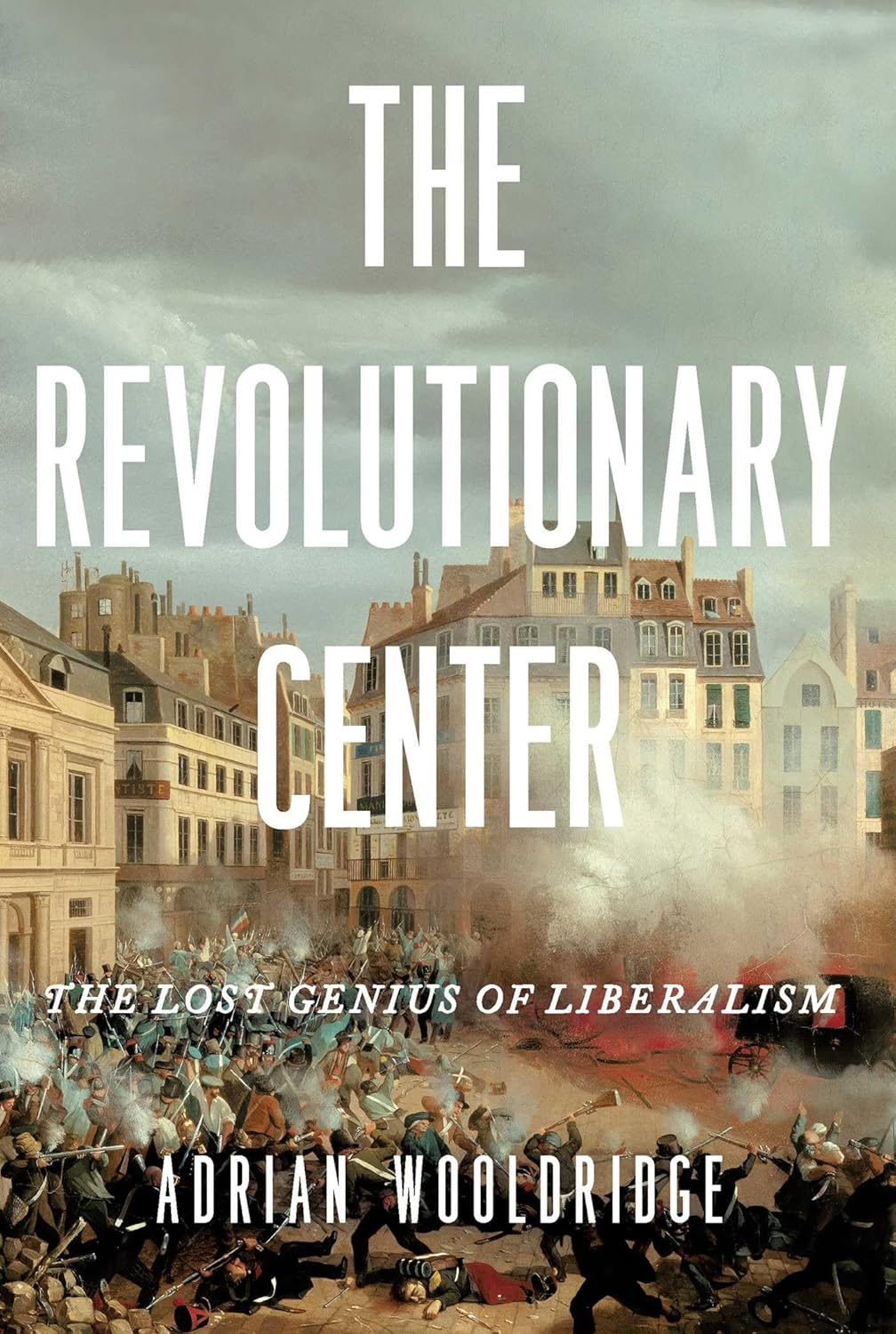 Purchase The Revolutionary Center from Amazon.com
 Fever Beach: A Novel